← Back to the Race

How the Race Began

The Oil Rig Regatta is younger than the platforms it races, and the platforms are younger than the wells beneath them. The story starts in 1896, with a pier, and runs through more than a century of booms, blowouts, and bans to the restart underway right now. Scroll down to drill through it.

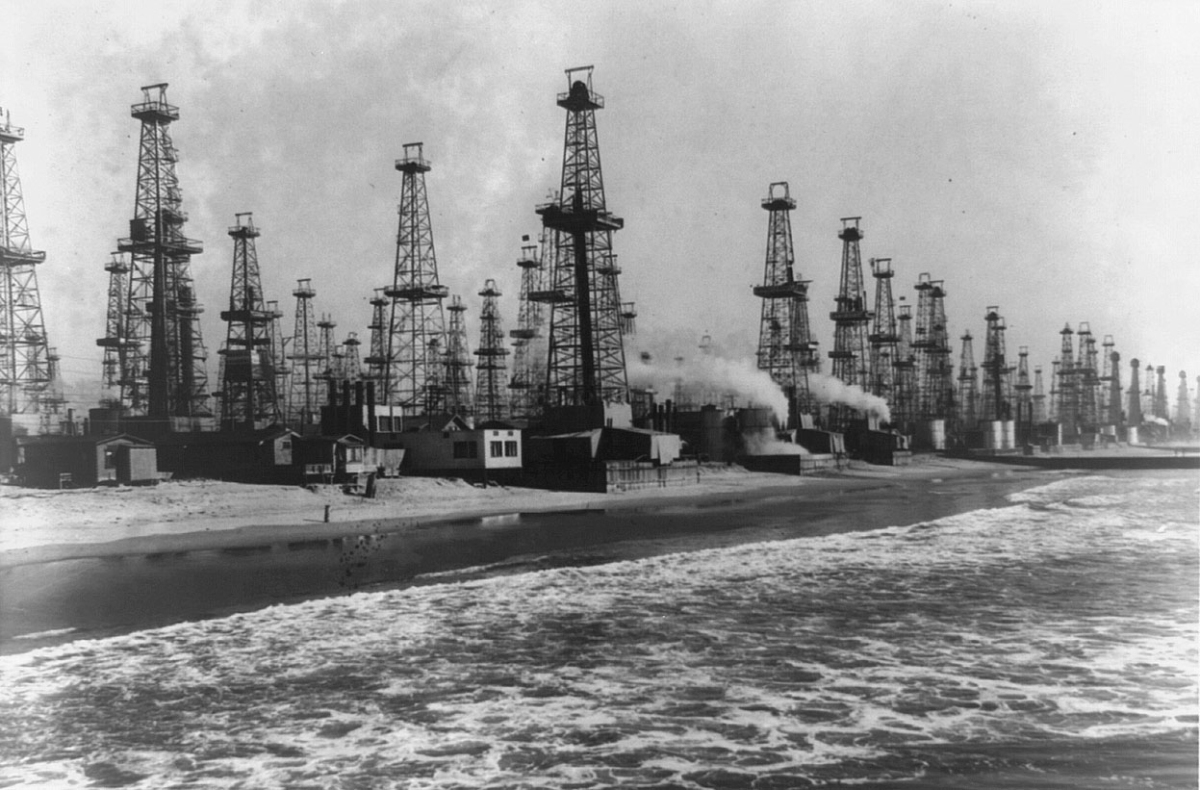
Oil derricks standing on the beach and in the surf at Summerland, California.
Oil derricks crowding the Summerland tideline.
1896

The First Wells

In 1896, H.L. Williams drove a wooden pier a few hundred feet into the surf at Summerland, mounted a cable-tool derrick on the end of it, and struck oil beneath the seabed. They were the first offshore oil wells anywhere in the world. No one present understood that they had also laid down the first start line of a race; the platforms that would one day run it did not yet exist.
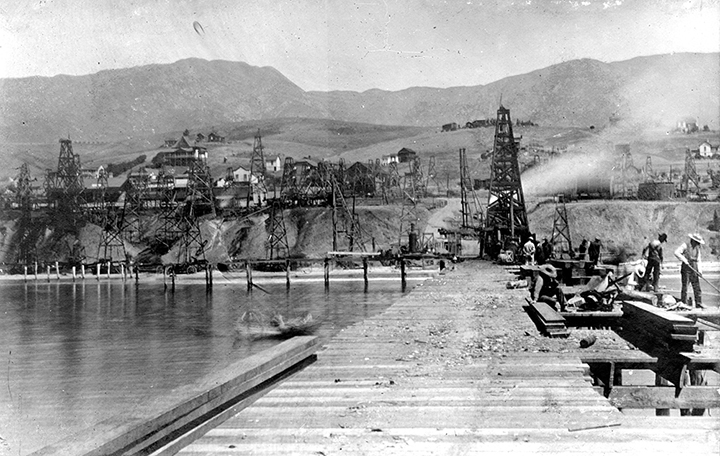
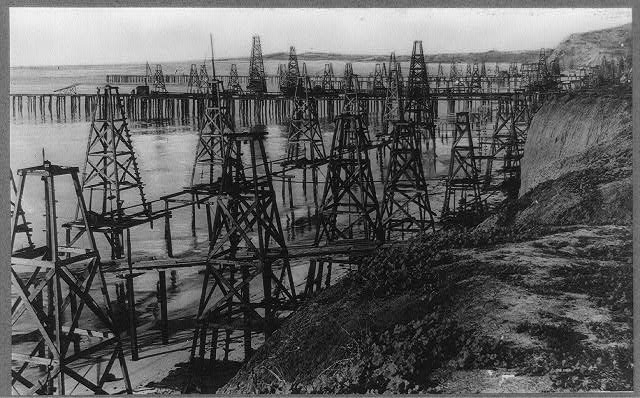
Dozens of oil derricks lining the shore and piers at Summerland, California.
Summerland's offshore oil district at its peak.
c. 1900

The Founding Field

Within a few years the idea had become a crowd. More than a dozen companies built piers off Summerland, and by 1900 some three hundred wells were producing from a forest of derricks standing in the shallows. It was the largest field of entrants this coastline would ever hold — and, by the standards of every race since, hopelessly overcrowded.

Timber oil derricks and piers along the Summerland shoreline.
The Summerland piers — timber derricks at the water's edge.
1903

The Storm

A winter storm in 1903 took the derricks apart. The piers were timber and the sea was not impressed; within a few years most of the Summerland wells had stopped producing, and the field was abandoned by 1940. The standings, such as they were, reset to nothing. The first era of offshore oil here ended the way several later ones would — offshore, in bad weather, with no one moving.

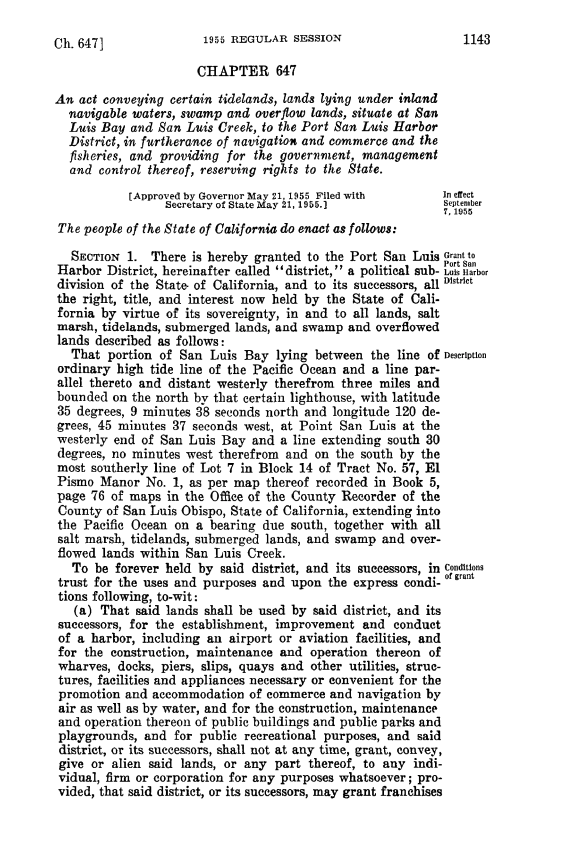
First page of the 1955 Cunningham-Shell Tidelands Act, California Statutes chapter 647.
The Cunningham-Shell Tidelands Act, 1955 (chapter 647).
1903 → 1955

The Pivot

For half a century afterward there was no practical way to drill the open water off Santa Barbara. Then, in 1955, the California Legislature passed the Cunningham-Shell Tidelands Act, reopening the tidelands to development — not from piers, which were finished, but from a small number of fixed steel platforms standing in deep water. This is the rule the modern race is built on. Hundreds of old wells dotted the seabed and only a handful of platforms existed to work them, so a platform's job became moving from well to well. It still is.

1958

Hazel

Platform Hazel went up off Summerland in 1958 — the first true offshore oil platform in California, assembled on shore and towed out to stand in the open Channel. She was the first modern competitor to take a position on the course, and for a few years she had it largely to herself.

1966–1991

The Field Takes Position

The rest of the field assembled over the next three decades. Holly arrived in 1966, Hondo in 1976, Gail in 1987, Harmony and Heritage in 1989, and Hidalgo in 1991 — spread across the Santa Ynez Unit, the Santa Clara Unit, and the Point Arguello Field. By the early 1990s every platform that competes in the Regatta today was standing in the water.

1969

The Blowout

On January 28, 1969, a blowout beneath Union Oil's Platform A sent an estimated three million gallons of crude into the Channel over ten days, fouling the coast and killing thousands of seabirds. It remains one of the defining environmental disasters in American history: it helped launch the modern environmental movement, the first Earth Day in April 1970, the federal environmental-review laws that followed, and the California Coastal Commission. The race records it as the moment officials first began watching the competitors closely. That is putting it lightly.

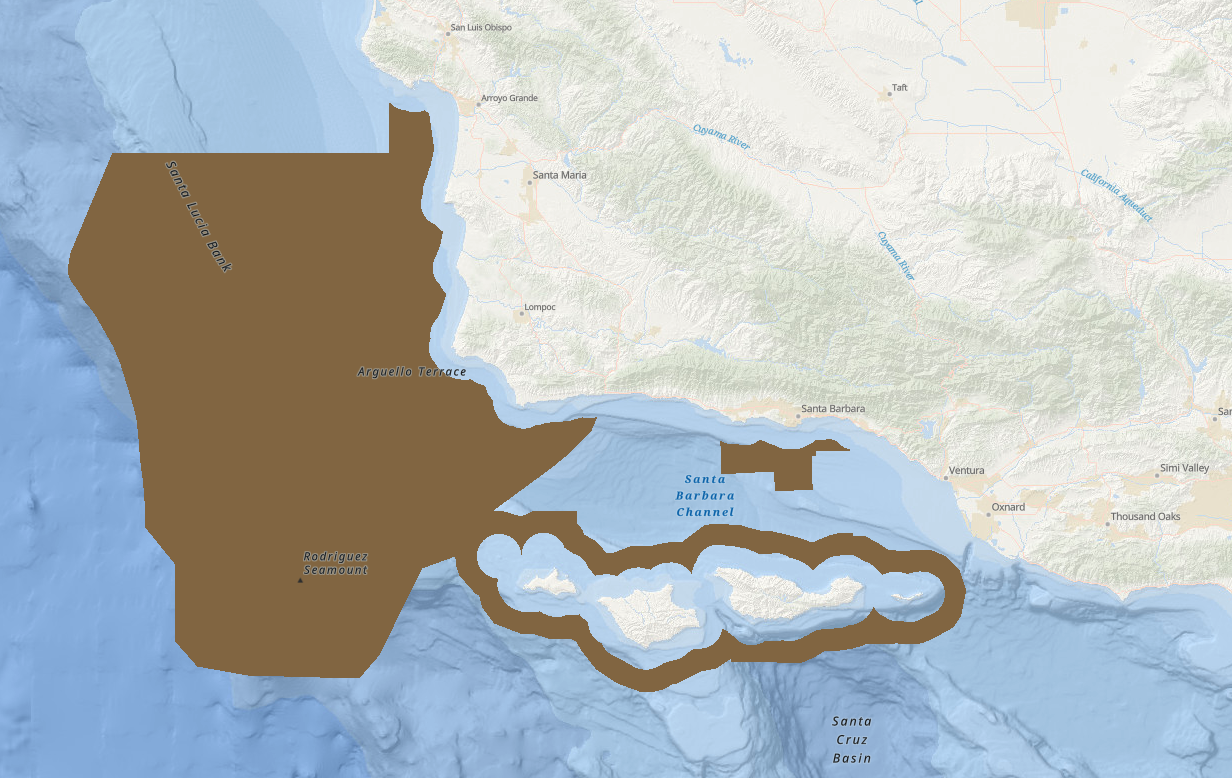
Map of federal outer continental shelf areas withdrawn from oil and gas leasing off California.
Federal OCS areas withdrawn from leasing off California.
1990 / 1994

The Field Is Closed

The spills changed the rules. A 1990 federal withdrawal closed most of the Pacific outer shelf to new leasing, and in 1994 California's Coastal Sanctuary Act barred new oil leases in state waters outright. No new platform has been permitted off this coast since. The field was closed: whoever was already in the water was the entire race, permanently.

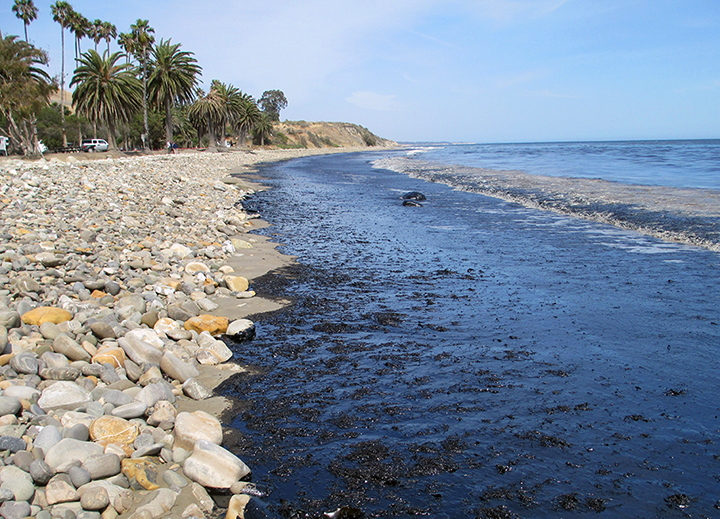
Cleanup crews responding to the Refugio oil spill on the Santa Barbara coast in May 2015.
Response to the Refugio oil spill, May 2015.
2015

Refugio

On May 19, 2015, an onshore pipeline carrying Santa Ynez Unit crude ruptured near Refugio State Beach and released over a hundred thousand gallons, much of it reaching the ocean. The pipeline's failure left the platforms it served with nowhere to send their oil, and Hondo, Harmony, Heritage, and Holly all went offline. In race terms, the leaders idled mid-Channel and stayed there for the better part of a decade.

2023

Holly Retires

Platform Holly never came back. Her operator went bankrupt in 2017, the state and ExxonMobil agreed to dismantle her, and by 2023 she was running on solar power as decommissioning began. After nearly sixty years in the Channel, the veteran competitor was retired from the course — the first of the field to leave it for good.

2024–2026

The Race Resumes

In 2024 a new operator, Sable Offshore, bought the idled Santa Ynez Unit and set about restarting it. Through 2025 and into 2026 the platforms began, slowly, to produce again, against considerable local objection. The race, idle since Refugio, resumed — which is the event this entire website has been waiting to report.